Private Label Motorcycle Apparel: An Introduction
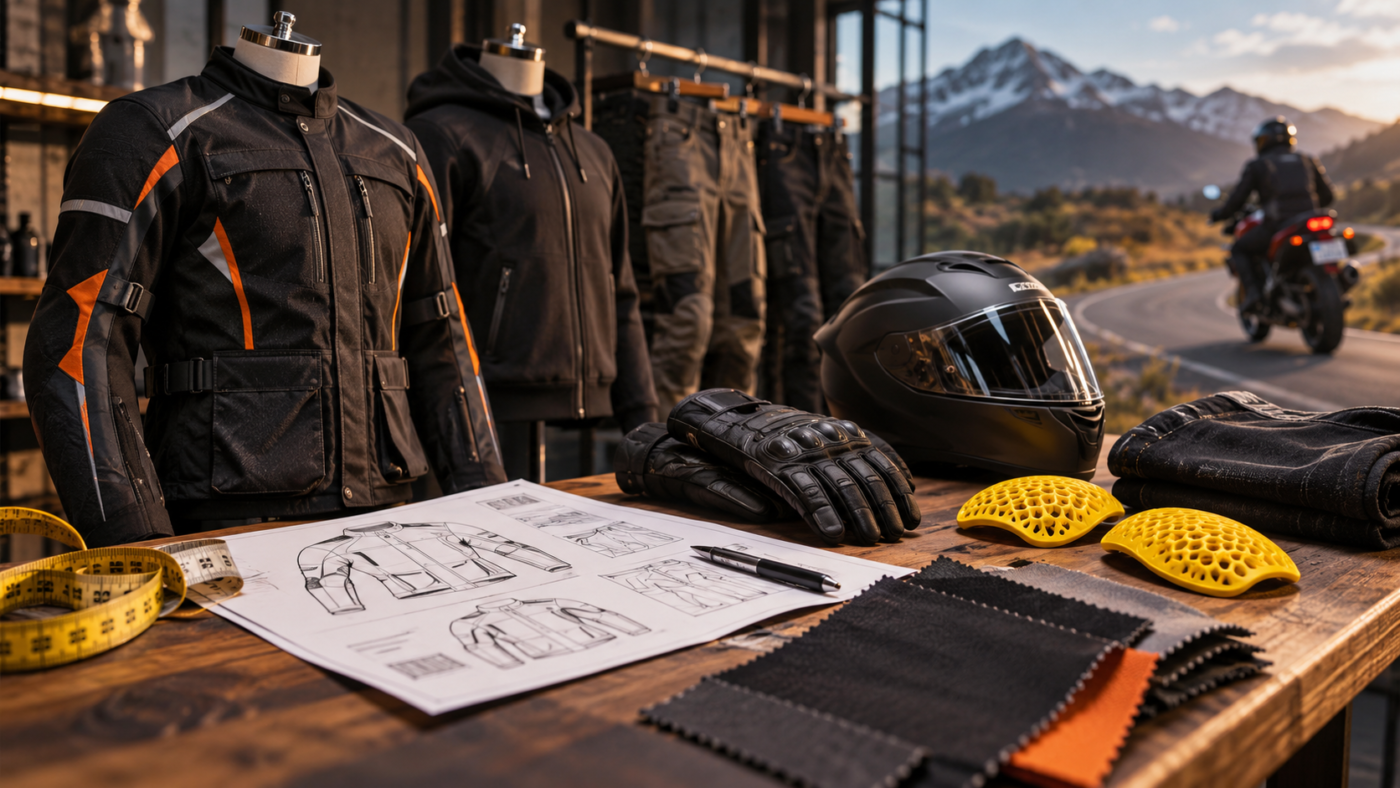
The motorcycle gear market keeps growing. More riders commute on two wheels, more adventure riders cross continents, and more people want gear that looks good off the bike. As a result, new brands launch every year, and established brands add new lines to stay ahead. Many of them take the same smart route: they work with a private label motorcycle apparel manufacturer instead of building a factory from scratch.
This route saves time and money. However, it also carries risk. A weak partner can deliver poor stitching, fake safety claims, late shipments, and a damaged brand name. A strong partner, on the other hand, can turn your idea into a product line that riders trust.
This guide explains everything you need to know before you place your first order. You will learn what private label means, how it differs from OEM and custom work, which products sell best, which materials and safety standards matter, and how to choose the right partner. You will also see why many global buyers now look at Pakistan, and what the ordering process looks like from start to finish.
What Is Private Label Motorcycle Apparel?
Private label motorcycle apparel is riding gear that one company makes and another company sells under its own brand name. The factory handles design support, pattern making, cutting, stitching, and quality control. You handle branding, marketing, and sales.
In simple terms, you put your label on a product that someone else builds. Your customer sees your logo, your packaging, and your story. They never need to know where the gear came from.
This model works well for several types of buyers:
- Motorcycle dealers who want their own house brand
- Online retailers who want better margins than they get from reselling big brands
- Riding clubs and rally organizers who want branded merchandise
- Fashion and streetwear brands that want to enter the riding category
- Startups that have a clear brand idea but no production base
A private label motorcycle apparel manufacturer gives all these buyers the same core benefit. You skip the heavy investment in machines, skilled labor, and raw material sourcing. Instead, you focus on what you do best: building a brand and selling to riders.
Private Label vs. OEM vs. Custom: What Is the Difference?
Buyers often mix up these three terms. Suppliers also use them loosely. Therefore, it helps to understand each one clearly before you request a quote.
Private label
With private label, the manufacturer offers existing designs, patterns, and fits. You choose a style, adjust small details such as colors, labels, or zipper pulls, and sell it under your brand. This option moves fast and carries a lower development cost.
OEM
An OEM motorcycle clothing manufacturer builds products to your exact design and technical specifications. You bring the tech pack, the pattern, or a detailed sketch. The factory follows your instructions and produces the garment. OEM gives you more control than private label, but it also asks more from you in terms of documentation and development.
Custom
A custom motorcycle apparel manufacturer goes one step further. This partner helps you create something new, often from an idea or a reference photo. The team may suggest fabrics, redesign patterns, add armor pockets, or improve the fit. Custom work takes longer and costs more at the start, but it produces a product that nobody else sells.
Which option should you choose?
Most successful brands mix all three. For example, you might launch with a private label jacket to test the market. Then, once sales prove demand, you might move to OEM for a signature riding jean. Later, you might commission a fully custom hoodie with a unique armor layout.
The best manufacturers offer all three paths under one roof. That way, you can grow without changing suppliers every time your needs change.
Private Label Motorcycle Apparel Manufacturer: Why Brands Choose This Step?
The appeal is easy to understand. Still, it helps to look at the specific advantages.
Higher margins. When you resell another brand, that brand sets the price and keeps most of the profit. With your own label, you control the price and keep the margin.
Brand ownership. Every sale builds your name, not someone else’s. Over time, loyal customers come back to you directly.
Lower startup cost. You avoid factory rent, machinery, and a large full-time workforce. Your cash stays free for marketing and inventory.
Faster launch. Existing patterns and proven fits shorten the development phase. You can move from idea to first shipment in weeks instead of years.
Flexible orders. Many manufacturers accept small and medium order sizes. As a result, you can test a product without risking your whole budget.
Product differentiation. You can request your own colors, labels, trims, and packaging. Consequently, your gear stands out from generic stock.
Product Categories You Can Source
A good manufacturer does not limit you to one item. Here are the main categories that brands request most often.
Riding jeans
Riding jeans remain one of the fastest-growing categories. Riders want protection that does not look like protection. Modern riding jeans use abrasion-resistant fibers such as aramid (Kevlar) blended or lined into the denim. They also include armor pockets at the knees and hips. These jeans work for commuters, urban riders, and weekend tourers alike.
Armored hoodies
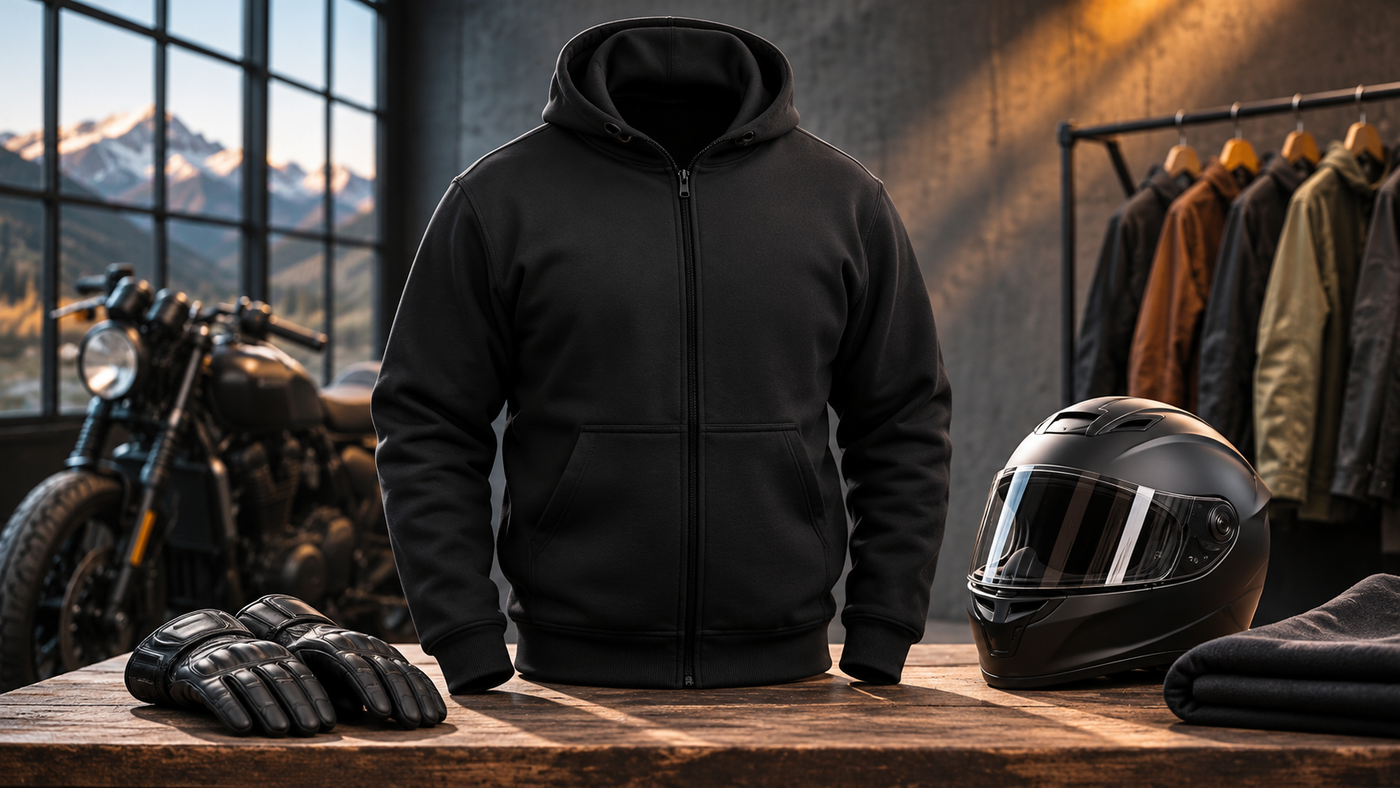
The armored hoodie has become a favorite among younger riders. It looks like a regular zip-up, yet it contains aramid reinforcement and pockets for shoulder and elbow armor. Because riders can wear it on and off the bike, it also sells well as lifestyle clothing.
Cargo pants
Riding cargo pants combine storage with safety. Brands usually build them with a stretch cotton blend, an aramid lining, and CE-rated armor pockets. Riders love the extra pockets, and retailers love the strong price point.
Jackets
Jackets come in leather, textile, and hybrid versions. Leather jackets suit cruiser and café racer styles. Textile jackets suit touring and adventure riders because they offer weather protection and ventilation. Both types allow plenty of branding opportunities.
Gloves, base layers, and accessories
Gloves, thermal base layers, neck gaiters, and riding shirts add volume to your catalog. Furthermore, these items usually carry lower minimum order quantities, so they make a smart way to test a new manufacturer.
Materials and Protection Standards That Matter
Style sells the first order. Safety and quality sell the second. Because of this, you must understand the materials and standards behind your gear.
Abrasion-resistant fabrics
When a rider slides on asphalt, the fabric must resist tearing and holes for as long as possible. Common high-performance options include:
- Aramid fibers (Kevlar): Strong, lightweight, and heat resistant. Manufacturers use them as a lining or blend them into denim.
- High-density denim: Heavier denim offers better abrasion resistance than fashion denim.
- Cordura and ballistic nylon: Popular in textile jackets and pants.
- Leather: Cowhide and goatskin deliver excellent slide protection when the thickness is right.
Impact protection
Armor absorbs force during a crash. Most riding apparel uses CE-approved protectors in the knees, hips, shoulders, elbows, and back. Look for protectors tested to EN 1621-1 for limb protection and EN 1621-2 for back protection. Level 2 armor offers higher impact absorption than Level 1.
Garment certification
The key standard for complete garments in Europe is EN 17092. It rates clothing by class, from AAA (the highest protection) down to class C. Each class reflects a different balance between protection and comfort. When you source for the European market, you should ask your manufacturer whether the garment has passed testing at an accredited lab.
Be careful here. Some suppliers say “CE-ready” or “CE-style” without any real testing. Always request the test report, and check that it names the exact garment and fabric you plan to buy.
Comfort technology
Protection means little if riders refuse to wear the gear. Therefore, smart brands add comfort features such as stretch panels, moisture-wicking liners like CoolMax, ventilation zones, and articulated knees. These details improve reviews and reduce returns.
How to Choose the Right Manufacturing Partner
Picking a partner is the most important decision in this whole process. Use the checklist below to compare suppliers fairly.
1. Check their experience with riding gear. General garment factories often lack the skills needed for protective apparel. Armor pocket placement, panel construction, and seam strength all require specialist knowledge. Ask for examples of previous motorcycle work.
2. Ask about certification support. A serious private label motorcycle apparel manufacturer understands EN 17092 and EN 1621. The team should explain which class your product can reach and how testing works.
3. Review communication quality. Fast and clear replies show a reliable partner. Slow, vague answers during the quote stage usually become worse during production.
4. Understand the minimum order quantity. Every manufacturer sets a minimum per style and color. Ask early, and compare it with your budget and sales forecast.
5. Request a clear development process. The supplier should explain how they handle tech packs, pattern making, prototypes, revisions, and approvals.
6. Inspect quality control. Ask how the team checks stitching, armor placement, zippers, and labels before shipping. Also ask what happens when a batch fails inspection.
7. Confirm export experience. Shipping gear to the EU, UK, USA, or Australia involves paperwork, labeling rules, and customs requirements. An experienced exporter handles this smoothly.
8. Protect your designs. Sign a simple non-disclosure agreement and confirm that the supplier will not sell your design to others.
9. Look at their online presence. A real manufacturer usually shows product photos, a working website, and active social profiles. Check these before you send a deposit.
Why Many Brands Look at Pakistan
Pakistan has built a strong name in textiles, denim, and leather for decades. Cities such as Sialkot, Lahore, and Karachi host thousands of skilled stitchers, pattern makers, and export specialists. Sialkot, in particular, has a long history of making sporting goods and leather garments for global brands.
So, what makes a motorcycle apparel manufacturer Pakistan based so attractive to international buyers?
Competitive pricing. Labor and material costs remain lower than in many European and Asian markets. As a result, you can reach strong margins without cutting quality.
Skilled craftsmanship. Workers in the region grow up around leather, denim, and technical stitching. They bring real hands-on experience to every garment.
Raw material access. Local denim mills, tanneries, and fabric suppliers keep lead times short and costs steady.
Export experience. Many Pakistani manufacturers ship regularly to Europe, the UK, North America, and Australia. They understand the documents, packaging rules, and labeling that these markets require.
Trade advantages. Pakistan holds preferential trade status with the European Union under the GSP+ scheme, which can reduce duties on eligible products. Terms change over time, so always confirm the current rules with your customs broker.
Flexible orders. Compared with very large factories elsewhere, many Pakistani suppliers accept smaller runs. That flexibility helps new brands and niche labels.
Of course, no country is perfect for every buyer. You still need to check each supplier carefully. Nevertheless, Pakistan offers a strong mix of cost, skill, and export readiness.
Looking for a partner that understands both riders and exporters? Browse our riding gear range at stylonicintl.com and see how a specialist approaches protective apparel.
The Private Label Process, Step by Step
Knowing the workflow helps you plan your budget and timeline. Although every supplier works a little differently, most follow these steps.
Step 1: Define your product and market
First, decide what you want to sell and who will buy it. Write down your target rider, your price range, and your sales channel. Also decide which markets you plan to serve, because the EU, UK, and USA each have different rules.
Step 2: Share your brief or tech pack
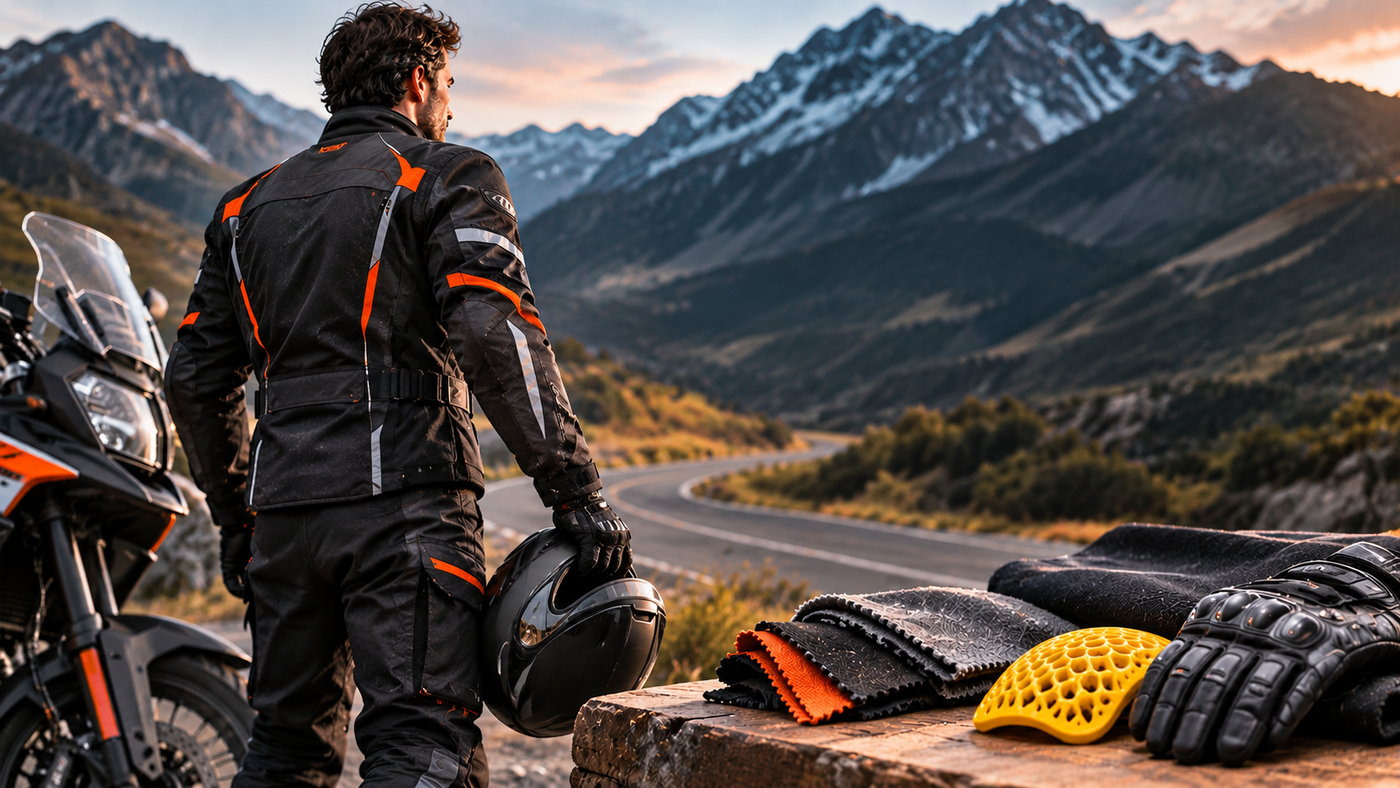
Next, send the manufacturer a clear brief. A tech pack includes sketches, measurements, fabric details, armor placement, stitching instructions, and trim choices. If you do not have a tech pack, a good supplier will help you build one.
Step 3: Request a quotation
The supplier reviews your brief and sends a quote. The quote should list the unit price, minimum order quantity, lead time, payment terms, and shipping options. Compare several quotes, but do not choose on price alone.
Step 4: Approve materials and specifications
Then you confirm fabrics, armor, linings, zippers, buttons, labels, and packaging. This step matters a lot, because material choices drive both cost and protection level.
Step 5: Review pre-production details
Before full production starts, the team finalizes the pattern, size chart, and construction details. Review these carefully. Changes become expensive once cutting begins.
Step 6: Confirm the order and pay the deposit
After you approve everything, you confirm the purchase order and pay the agreed deposit. At this point, production begins.
Step 7: Production and quality checks
The factory cuts, stitches, and assembles your garments. Inspectors check the work at several stages. Ask for photos or videos during production so you can follow progress.
Step 8: Final inspection and shipping
Before shipping, the team performs a final inspection, packs the goods with your labels and hangtags, and prepares export documents. You can choose air freight for speed or sea freight for lower cost.
Step 9: Receive, sell, and reorder
Once the goods arrive, you launch your marketing and start selling. If the product performs well, you reorder and expand the range.
MOQ, Pricing, and Lead Times: What to Expect
Buyers always ask about three numbers: how many pieces they must order, how much each piece costs, and how long production takes. Here is a practical overview.
Minimum order quantity
MOQ varies by product and by supplier. Complex items such as jackets with several fabrics and armor pockets usually need a higher MOQ than simple items such as base layers. Many manufacturers also set a minimum per color and per size set. If your budget is tight, start with one hero product, order a smaller run, and expand after you see sales.
Pricing factors
Several things drive the unit price:
- Fabric type and weight
- Armor quality and certification level
- Design complexity and number of panels
- Order quantity (larger orders lower the unit cost)
- Branding extras such as embroidery, woven labels, and custom packaging
- Testing and certification costs
Always ask for a clear cost breakdown. That way, you can see where the money goes and decide where to save.
Lead times
Lead times depend on the product, the season, and the factory workload. Development and approvals often take a few weeks. Production then takes several more weeks, followed by shipping. Plan well ahead of your selling season, and build in extra time for delays. Riding season peaks in spring, so many brands place orders in winter.
Common Mistakes to Avoid
Even experienced buyers make errors. Avoid these traps and you will save money and stress.
Choosing the lowest price. A very cheap quote often hides weak materials, fake armor, or poor stitching. Cheap gear that fails in a crash can hurt your riders and your reputation.
Skipping safety documentation. Always request test reports and certificates. Verbal promises protect no one.
Ignoring size charts. Fit problems drive returns. Make sure the manufacturer grades sizes correctly for your target market, because European, American, and Asian riders have different body proportions.
Overloading the first order. New brands sometimes order too many styles. Instead, focus on a few strong products and build from there.
Forgetting branding details. Labels, hangtags, care instructions, and packaging shape how customers see your brand. Plan these early.
Neglecting communication. Misunderstandings cause most production errors. Confirm important decisions in writing, and keep records of every approval.
Underestimating marketing. A great product still needs content, photos, and a launch plan. Set aside budget for marketing from the start.
Not sure which product to launch first? Message our team and we will share practical suggestions based on your market, budget, and riding style.
About Stylonic International
Stylonic International is a B2B manufacturer and exporter of protective motorcycle riding apparel, based in Pakistan. The company works with brands, retailers, and distributors worldwide, and it builds every order to the buyer’s own specification on a make-to-order basis. Its range covers riding jeans, cargo pants, and its best-selling Kevlar hoodie, all designed around a simple idea: gear should protect riders without making them look or feel like they wear armor. As a private label motorcycle apparel manufacturer, Stylonic supports buyers through every stage, from the first brief and material selection to quality checks and export shipping. Whether you need a private label range, an OEM build, or a fully custom design, the team communicates clearly, respects your brand, and focuses on helping you grow. If you want a partner who treats your label as seriously as you do, Stylonic International is ready to talk.
Conclusion
Private label gives motorcycle brands a fast, cost-effective way to grow. You keep your margins, you build your own name, and you avoid the burden of running a factory. Still, success depends on one thing above all: choosing the right partner.
Look for real experience with riding gear. Check certifications, not just claims. Compare quotes fairly, ask about MOQ and lead times early, and protect your designs. Whether you choose private label, OEM, or fully custom development, take the process step by step, and start with products that match your market.
With the right approach, your private label motorcycle apparel line can become a trusted name among riders in Europe, North America, and beyond.
Ready to Build Your Own Riding Gear Brand?
Contact Stylonic International today. Send us your product idea, your target market, and your expected order size, and our team will reply with a clear plan and quotation for your private label, OEM, or custom motorcycle apparel project. Visit stylonicintl.com or message us on Instagram at @stylonic_international to start your order now.